

Removing a tree can be a significant change for any homeowner, especially in a lively neighborhood like Citrus Heights, where the greenery play an essential role in the surroundings. Whether you've needed to have a tree taken down due to disease, damage from storms, or just because it became a hazard, the aftermath can leave you unsure what to do now. From understanding city laws to considering landscaping choices, managing this change is crucial for maintaining the well-being and aesthetic of your garden.
Once the tree is down, many property owners face decisions about stump removal, soil restoration, and perhaps replacing the tree. This article will guide you through essential considerations after tree removal, highlighting the best practices for landscaping your Citrus Heights property. We will also cover key issues such as the costs involved, obtaining the necessary permits, and the significance of professional assistance in making sure a safe and compliant process.
Regulations for Tree Removal in the City of Citrus Heights
When considering tree removal in Citrus Heights, it is essential to understand the city's rules and permit requirements. The City of Citrus Heights has specific policies to protect the urban forest and ensure that tree extraction does not affect the environment or community aesthetics. Homeowners must first determine if a license is necessary by reviewing the city’s tree extraction policy, which regulates the removal of a variety of tree types, particularly native oaks and other protected species.
Permits are generally required for the removal of trees that fulfill certain size standards, often based on their trunk diameter. To obtain a permit, residents will need to provide details about the tree, such as its location and condition. The city may ask for an arborist report for certain protected trees, which can streamline the permit process significantly. It is important to be mindful of these rules to avoid fines or sanctions associated with unpermitted tree removal.
Grasping the difference between protected native oaks and non-protected trees is also essential for homeowners in Citrus Heights. While native oaks often require extra consideration and permitting due to their environmental value, some trees may be deemed exempt under certain conditions. Familiarizing oneself with these classifications can help residents make informed decisions regarding their landscaping and tree management while guaranteeing compliance with local laws.
Selecting the Appropriate Arborist Service
In terms of tree removal in the local region, selecting the appropriate service provider is essential for guaranteeing safety and compliance with community regulations. Begin by looking for a licensed and insured tree removal service. This not only ensure that the company is qualified to handle the complexities of tree removal and protects you from liability in case of accidents or damages during the process. Take the time to ask for proof of insurance and check their credentials.
Inquire about the experience and expertise of the contractors you are evaluating. A reputable tree service should have a good track record with both homeowner and business projects. Check for Tree services in Citrus Heights and testimonials that highlight their professionalism and quality of work. It's also wise to inquire if they have experience with specific tree species frequent in Citrus Heights, as this can affect the removal process.
Lastly, always obtain multiple quotes from several tree removal services before making a decision. By doing this you can compare pricing and services offered, ensuring that you are getting a competitive rate. During your consultations, ask essential questions about their methods, cleanup services, and how they handle legal permits. This due diligence can protect you from potential headaches down the line and ensure that your tree removal experience is efficient and without complications.
Post-Removal Landscape Restoration
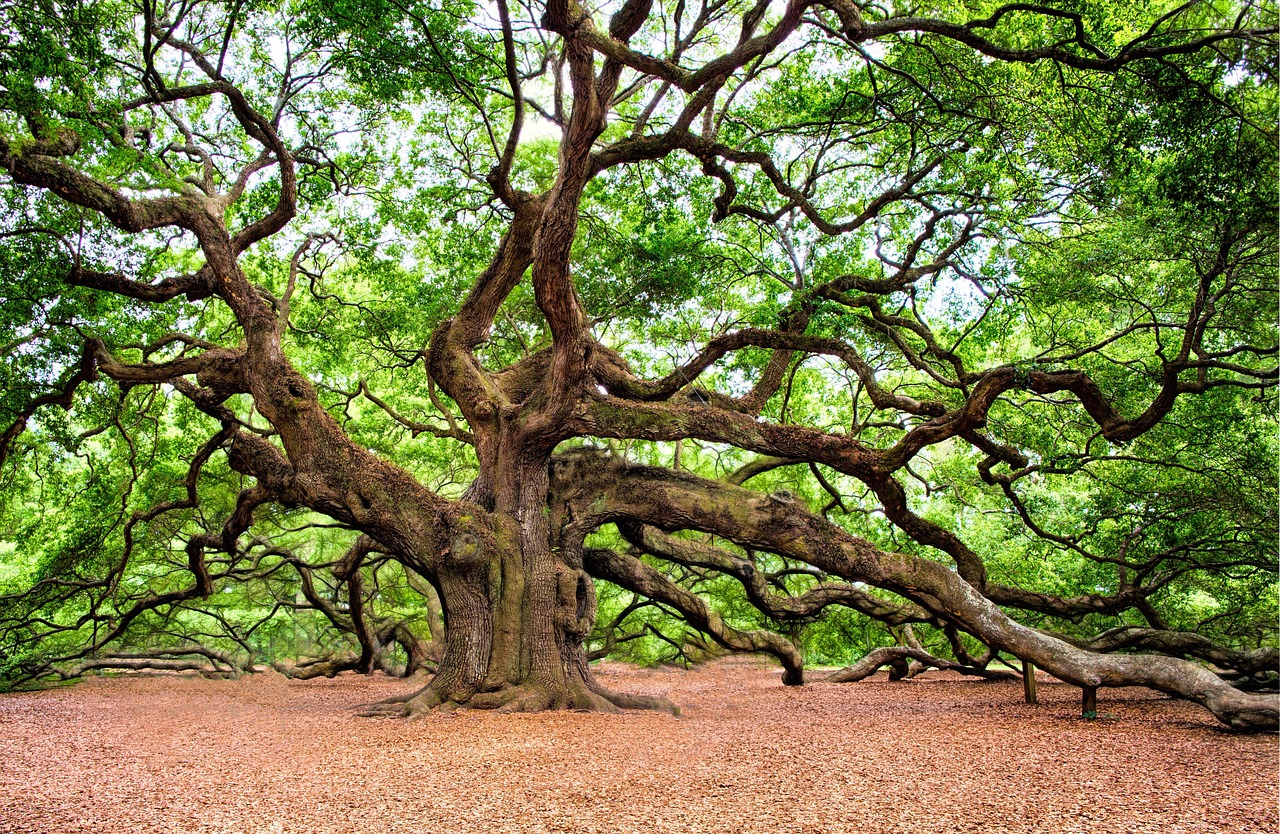
After a tree is removed, restoring your landscape can make over your yard into an inviting space once again. Begin by examining Tree services in Citrus Heights where the tree once stood. Clear away any excess debris such as limbs and wood chips. Consider whether you wish to fill the hole left by the tree with dirt and seed it for lawn or plant new shrubs to improve the area. Formulating a plan that includes landscaping aspects that complement the rest of your yard can assist maintain aesthetic continuity.
Next, think about the long-term well-being of your remaining landscape. Tree removal can significantly impact sunlight and wind exposure. This means adjusting your watering and possibly introducing new plants that flourish in the new environment. Point out areas where new plantings can not only improve the space but also provide necessary shade or privacy that was missing with the tree's cutting down. Selecting local plants or desert species can additionally benefit your yard and minimize upkeep needs.
Finally, don’t neglect the importance of soil health after a tree’s removal process. The soil may need improvements to replenish nutrients and enhance drainage. You might select mulch or a cover crop to protect the soil and promote microbial activity. Additionally, be sure to monitor for signs of weeds or pests that can benefit from the cleared-out spot. With thoughtful planning and ongoing maintenance, you can create a prosperous landscape that not only looks great but also contributes to the local ecosystem.